Getting the right beekeeping equipment can make a huge difference in your bee-keeping journey. You want gear that’s dependable and suits your style, so let’s break down the essentials.
First up, you’ll need a good hive. The two most popular types are Langstroth and Top Bar hives. Langstroth hives are super common and stackable, which means you can add more boxes for your bees as they grow. Top Bar hives are a bit more beginner-friendly and let the bees build their comb naturally. Think about how involved you want to be when choosing between these options.
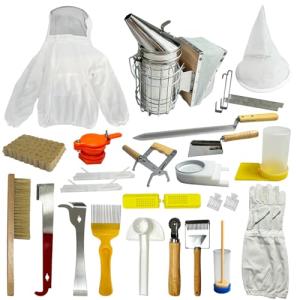
Next, safety gear is non-negotiable. A bee suit, gloves, and a veil will keep you protected while you’re working with your hive. Look for gear that’s comfortable and fits well so you’re not constantly adjusting it while checking on your bees. Remember, it’s better to spend a little more on quality gear that lasts.
Don’t forget the tools! You’ll need a smoker to help calm the bees, a hive tool for manipulating frames, and a bee brush to safely move bees off your frames. These tools make the process smoother and less stressful for both you and the bees. It’s smart to check reviews to find tools that are known for being durable and effective.
Finally, think about how much you’re willing to invest. Equipment can vary widely in price, so set a budget that fits your needs. Remember that sometimes, paying more up front for solid equipment pays off in the long run. Research different brands and gather opinions from seasoned beekeepers to help you make informed choices.
Must-Have Tools for Beginners
If you’re just getting started in backyard beekeeping, having the right tools makes a huge difference. You don’t need everything under the sun, but a few must-have items will set you up for success. Let’s dive into the basics!
One of the first things you’ll want is a good beekeeping suit. It keeps you safe while you’re working with your bees. Look for suits that are comfortable and breathable so you can move easily. A fitted veil is essential too; you want to be able to see what you’re doing without the bees getting too close to your face!
Next up, invest in a solid hive tool. This nifty gadget helps you pry apart hive boxes, scrape away propolis, and make beekeeping a lot easier. A metal one tends to work best because it’s durable and can handle a bit of rough use. Pair this with a smoker. Smoking the bees before you start working calms them down and makes your time with them much more enjoyable.
Finally, don’t forget about a bee brush. This handy tool gently moves bees around without harming them, especially when you need to inspect frames. It’s simple but super effective, reducing the risk of stings and keeping your bees calm while you work.
With these essentials, you’ll be well on your way to becoming a happy backyard beekeeper. Each tool serves a specific purpose, so get familiar with them, and you’ll have a smoother journey ahead!
Budgeting for Your Beekeeping Setup
Jumping into beekeeping? It can be an amazing adventure, but let’s be real—setting up your hive can get pricey. Knowing how to budget for your beekeeping setup makes a huge difference. You want to enjoy your new hobby without breaking the bank.
First off, think about the essentials. At a minimum, you’ll need a hive, bees, protective gear, and tools. Here’s a quick rundown:
Once you have the basics sorted, you can think about extras. A honey extractor, for instance, helps with harvesting honey, but it can run up to $300. Consider sharing an extractor with a friend to cut costs. Plus, keep an eye out for local beekeeping clubs; they often have tools you can use together.
Always leave some room in your budget for ongoing costs, too. Bees need maintenance, and you might want to buy supplements, treatments, or additional equipment as your beekeeping journey grows. Setting aside an annual budget for these will save you from surprises down the line.
Understanding Hive Types and Options
When you dive into beekeeping, one of the first decisions you'll make is about your hive. There are a few different hive types out there, and each has its own perks. Understanding these options helps you choose the best fit for your backyard.
The most popular choice is the Langstroth hive. It's like the standard in the beekeeping world. This hive features removable frames, making it easy to inspect your bees and harvest honey. You can easily add more boxes, or supers, to accommodate your growing bee colony. If you're just starting, a Langstroth hive is user-friendly and pretty versatile.
Another option is the Top-Bar hive. This one’s a bit different. With top bars instead of frames, it encourages natural comb building. Beekeepers who love a more hands-off approach often prefer this style. It’s great for organic practices and can feel less intrusive for the bees.
If you want something unique, look into Warre hives. These are similar to Top-Bar hives but have a vertical layout. Bees build their comb naturally, and you can add boxes as needed. Warre hives are great if you’re into sustainable beekeeping, but they do require a bit of patience compared to the Langstroth.
Don't forget about the smaller, starter hives if you're just checking it all out. Options like the nucleus (nuc) hive can be helpful for new beekeepers. Nucs provide a smaller colony to start with, making it less overwhelming. Choose a hive that fits your comfort level and goals, and you’ll be well on your way to enjoying your bee journey!